
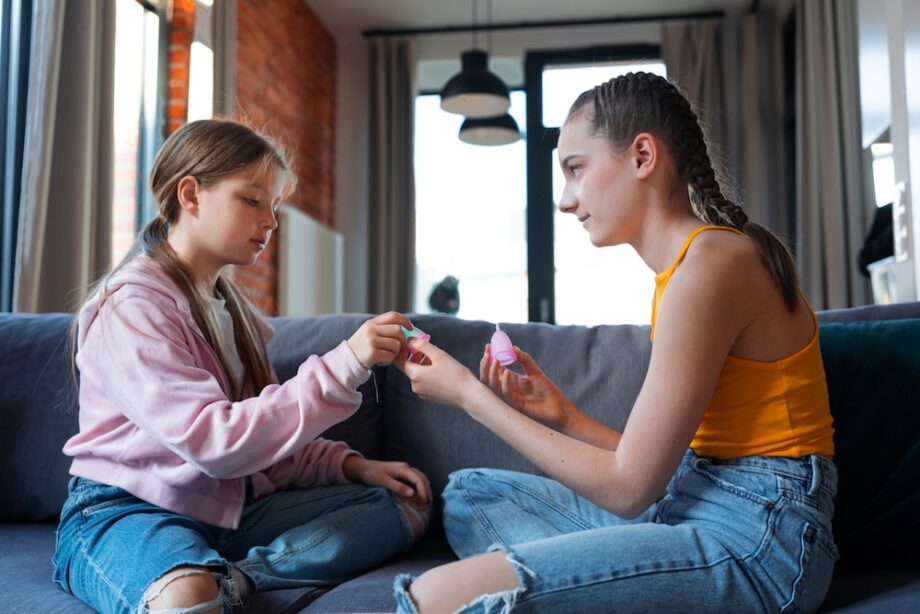
Understanding puberty in autistic children
Puberty typically begins between 8-13 years in girls and 9-14 years in boys. It is a challenging phase for any child, but for children on the autism spectrum and their families, this transition can feel especially overwhelming. Physical changes, emotional fluctuations, and increasing social expectations often happen all at once, leaving parents unsure of how to prepare or support their child. Many behaviours that were manageable earlier may suddenly intensify, and new concerns around self-care, emotional regulation, and social understanding may emerge. Understanding how puberty uniquely affects autistic adolescents is the first step toward helping them navigate this important stage with confidence and dignity.
Common Challenges During Puberty and Adolescence in Autism
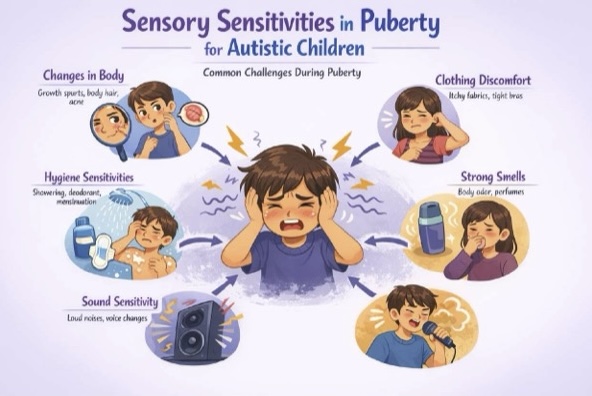
Sensory Sensitivities
Physical changes such as body hair, breast development, menstruation, voice changes, acne, sweating, and body odour can be distressing for children with sensory sensitivities. Clothing may suddenly feel uncomfortable, hygiene routines may become challenging, and tolerance for grooming tasks may reduce.
Emotional and Behavioural Changes
Hormonal changes can lead to:
- Increased irritability or emotional outbursts,
- Heightened anxiety,
- Mood swings and
- Increased rigidity or repetitive behaviours.
Many adolescents struggle to identify, understand and express these new emotions appropriately.
Body Awareness and Personal Boundaries
Understanding body changes, privacy, modesty and appropriate touch can be confusing. Some children may not naturally grasp:
- Public vs private behaviours
- Personal space
- Social boundaries
This can create safety concerns and social misunderstandings.
Self-care and Hygiene Difficulties
Tasks such as bathing, using deodorant, managing menstruation, shaving or changing clothes regularly may be difficult due to sensory issues, motor planning challenges or lack of routine.
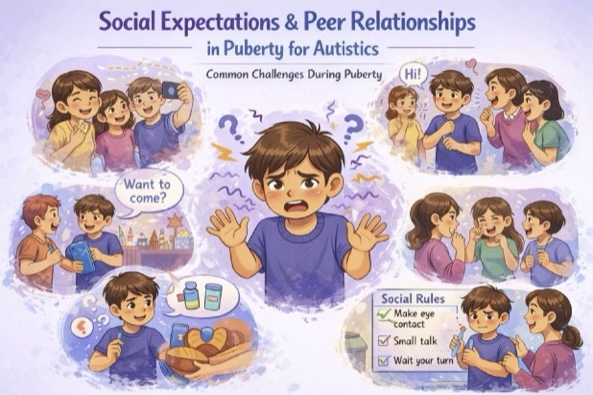
Social Expectations and Peer Relationships
Adolescence brings increased social pressure. Autistic teens may struggle with:
- Friendship changes
- Peer acceptance
- Understanding social cues
- Developing self-identity and self-esteem.
How Occupational Therapy Can Help During This Transition
Occupational Therapy plays a crucial role in supporting autistic adolescents through puberty by focusing on functional independence, emotional regulation, sensory processing, and meaningful participation in daily life.
Rather than addressing puberty only from a medical or behavioural perspective, OT looks at how these changes impact the child’s everyday routines, comfort, emotions, and social participation.
Supporting Sensory Regulation
Occupational therapists begin by assessing the child’s sensory profile – how they respond to touch, smell, movement, sound, and internal body sensations. Based on this, OTs introduce:
- Sensory-based strategies such as deep pressure, heavy work activities, proprioceptive input, or calming movement to help regulate the nervous system.
- Clothing adaptations, including tagless clothing, softer fabrics, compression garments, or looser fits to reduce tactile discomfort.
- Grooming and hygiene modifications, such as gradual exposure to new textures (soap, deodorant, sanitary products), alternative products, or changing the time and environment in which grooming tasks are done.
- Sensory regulation techniques like planned sensory breaks, calming routines, or sensory toolkits to manage overload.
These strategies help adolescents feel more comfortable, regulated, and in control of their changing bodies.
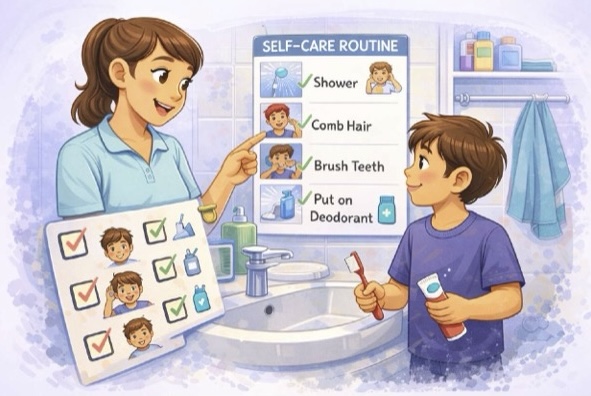
Developing Self-Care and Hygiene Skills
Occupational therapists support self-care by breaking tasks into small, achievable steps and teaching them in a structured, predictable manner. Interventions may include:
- Visual schedules that clearly show each step of a routine (e.g., bathing, using deodorant, menstrual hygiene, shaving).
- Social stories that explain why these routines are important in a simple, non-threatening way.
- Task analysis, where each part of a self-care activity is practised individually before being combined.
- Habit-building routines that are consistent in timing and environment to reduce resistance and anxiety.
The focus is not just on completing the task, but on building confidence, predictability, and gradual independence.
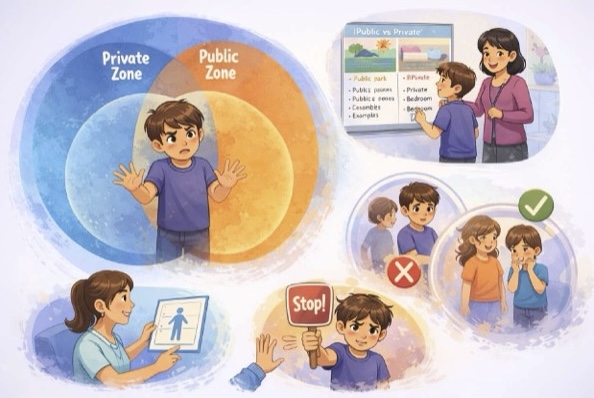
Teaching Body Awareness, Privacy, and Safety
Occupational therapists address this through clear, concrete, and age-appropriate education, such as:
- Teaching about physical changes during puberty using visuals, models, or structured explanations.
- Helping the child understand public vs private behaviours, places, and conversations.
- Establishing clear rules around personal space and appropriate touch.
- Providing safety education, including how to recognise unsafe situations, how to say no, and when to seek help.
These skills are taught respectfully and without fear, focusing on dignity, autonomy, and personal safety.
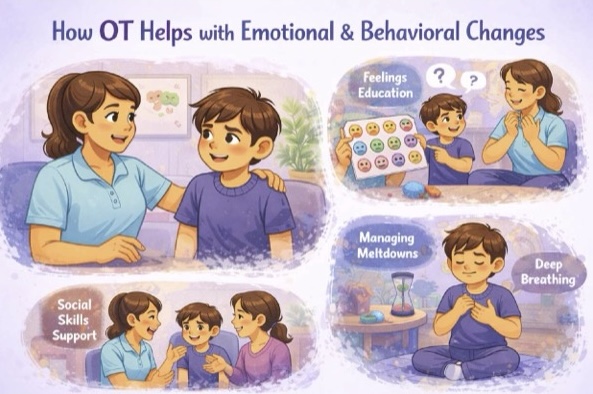
Emotional Regulation and Coping Skills
Occupational therapists support emotional regulation by helping adolescents:
- Identify and label emotions using visuals, scales, or body-based cues.
- Learn coping strategies for managing stress, frustration, and anxiety.
- Use regulation tools such as breathing techniques, calming movements, sensory input, or grounding strategies.
- Develop self-awareness around triggers and early signs of dysregulation.
These skills empower adolescents to better manage their emotions and reduce emotional overwhelm during daily activities.
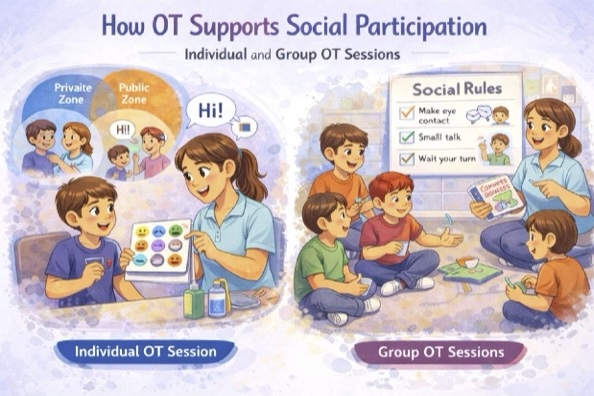
Supporting Social Participation
Through individual or group OT sessions, therapists support social participation by working on:
- Social skills such as turn-taking, conversation skills, and understanding social cues.
- Peer interaction, including managing conflicts and friendships.
- Confidence building and positive self-identity.
- Role-playing real-life adolescent situations, such as school interactions, peer teasing, or asking for help.
The goal is not to force social conformity, but to help adolescents participate meaningfully and comfortably in social environments that matter to them.
How Parents Can Support Their Child at Home
Parents play a key role during this transition. Helpful strategies include:
- Open, simple and honest communication.
- Using visual aids or written explanations.
- Maintaining predictable routines.
- Respecting the child’s need for privacy.
- Collaborating closely with therapists and teachers.
Remember, puberty is not just a physical transition – it is a developmental journey that requires patience and understanding.
When to seek Occupational Therapy
You may consider OT support if your child:
- Shows increased distress with body changes.
- Struggles with hygiene and self-care.
- Experiences frequent emotional meltdowns.
- Has difficulty understanding boundaries or social rules.
- Shows withdrawal or reduced participation in daily activities.
Early and proactive support can prevent challenges from escalating.
Final Thoughts
Puberty and adolescence can be a confusing and vulnerable time for autistic children, but with the right support, it can also be a period of growth, self-discovery and increased independence. Occupational Therapy helps bridge the gap between developmental changes and everyday functioning – empowering adolescents with autism to navigate puberty with confidence, dignity and safety.
With understanding, structure and the right interventions, this transition does not have to be overwhelming – for parents or their children.